
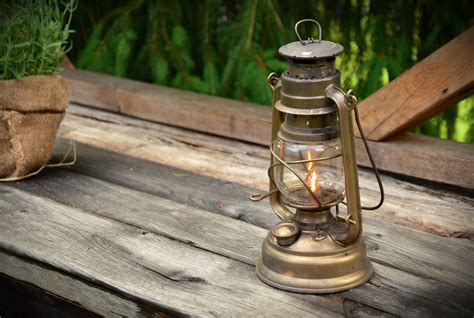
Off-Grid Lighting: Methods, Solutions, and Practical Tips
Lighting off-grid means illuminating your living or working space without relying on the electrical grid. This is essential for remote living, emergency preparedness, or sustainable living. Here’s a detailed guide on off-grid lighting options and considerations:
- Common Off-Grid Lighting Methods
- Solar-Powered Lights:
The most popular and eco-friendly option. Solar lights convert sunlight into stored energy during the day and provide illumination at night. They come in various forms, including garden lights, lanterns, and LED bulbs. - LED Lights:
Highly energy-efficient and long-lasting, LED lights are ideal for off-grid use. They can be powered by solar panels, batteries, or generators and provide bright, reliable light with low power consumption. - Kerosene or Oil Lamps:
Traditional lighting methods that do not require electricity. They provide warm light but require fuel and careful handling due to fire risk. - Propane Lanterns:
Portable and bright, propane lanterns are useful for outdoor or emergency lighting. They require propane fuel and proper ventilation. - Battery-Powered Flashlights and Headlamps:
Essential for portable, hands-free lighting. Rechargeable batteries combined with solar chargers increase sustainability. - Generator-Powered Lighting:
Using a generator to power conventional lights is possible but requires fuel and maintenance.
2. Key Considerations for Off-Grid Lighting
- Energy Efficiency:
Prioritize LED lights for their low power consumption and longevity. - Power Source:
Solar panels combined with batteries offer sustainable and renewable energy. - Portability:
Flashlights, headlamps, and lanterns provide flexible lighting options. - Safety:
Avoid open flames indoors; use lamps and lanterns with caution. - Backup Options:
Have multiple lighting sources to ensure continuous illumination.
3. Summary Table of Off-Grid Lighting Options
| Lighting Type | Power Source | Portability | Brightness | Best Use Case |
| Solar-Powered Lights | Solar panels + battery | Moderate | Moderate | Sustainable, outdoor/indoor |
| LED Lights | Battery, solar, generator | Fixed/portable | High | Primary indoor lighting |
| Kerosene/Oil Lamps | Kerosene/oil fuel | Portable | Moderate | Traditional, emergency lighting |
| Propane Lanterns | Propane fuel | Portable | High | Outdoor, emergency use |
| Battery Flashlights/Headlamps | Batteries | Highly portable | Moderate | Portable, hands-free lighting |
| Generator-Powered | Fuel (gasoline/diesel) | Fixed | High | Backup power lighting |
4. Practical Tips
- Use solar LED lights for the most sustainable and low-maintenance option.
- Combine fixed lighting (LED bulbs) with portable options (headlamps, flashlights).
- Keep spare batteries and fuel stored safely.
- Practice safe use of fuel-based lamps to prevent fire hazards.
- Consider modular solar lighting systems for larger off-grid properties.