
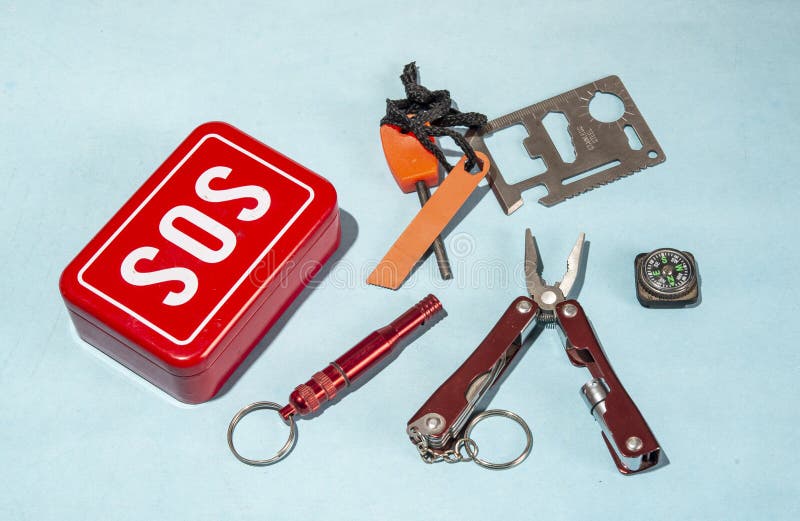
Emergency Preparedness Tools: Essential Items for Survival and Disaster Readiness
When preparing for emergencies, having the right tools and supplies can make a critical difference in your safety and comfort. Here’s a comprehensive list of essential emergency preparedness tools and items you should consider including in your emergency kit or grab-and-go bag:
- Basic Survival Essentials
- Water:
At least one gallon per person per day for drinking and sanitation. Include water purification tablets or filters. - Food:
Non-perishable, ready-to-eat items such as canned goods, energy bars, dried fruits, and nuts. Include a manual can opener if needed. - Shelter and Warmth:
Emergency blankets, sleeping bags, tarps, and tents to protect against the elements.
- Medical and Hygiene Supplies
- First Aid Kit:
Bandages, antiseptics, pain relievers, scissors, tweezers, gloves, and any personal medications. - Hygiene Items:
Soap, hand sanitizer, masks, feminine hygiene products, toothbrush, toothpaste, and baby supplies if needed.
- Communication and Navigation
- Battery-Powered or Hand-Crank Radio:
To receive emergency broadcasts and updates. - Chargers and Power Banks:
For phones and other essential electronics. - Flashlights and Extra Batteries:
Reliable light sources are critical during power outages. - Whistle:
For signaling help.
- Tools and Equipment
- Multi-Tool or Swiss Army Knife:
Versatile for many tasks including cutting, opening cans, and repairs. - Duct Tape:
Useful for quick fixes and sealing. - Fire Starting Tools:
Waterproof matches, lighters, or fire starters. - Work Gloves:
Protect your hands during cleanup or repairs. - Cash:
Small bills and coins in case electronic payments are unavailable.
- Special Considerations
- Important Documents:
Copies of IDs, insurance papers, medical records, and emergency contacts in a waterproof container. - Clothing:
Extra clothes, sturdy shoes, rain gear, and hats. - Infant and Pet Supplies:
Formula, diapers, pet food, and medications.
Summary Table of Emergency Preparedness Tools
| Category | Essential Items | Purpose |
| Water & Food | Water, purification tablets, non-perishable food | Hydration and nutrition |
| Shelter & Warmth | Emergency blankets, tents, sleeping bags | Protection from elements |
| Medical & Hygiene | First aid kit, soap, masks, personal meds | Health and sanitation |
| Communication | Radio, flashlights, chargers, whistle | Information and signaling |
| Tools & Equipment | Multi-tool, duct tape, fire starters, gloves | Repairs, fire, protection |
| Special Needs | Documents, clothing, infant/pet supplies | Personal and family care |
Practical Tips
- Regularly check and update your emergency kit.
- Customize your kit based on family size, health needs, and local risks.
- Store your kit in an easily accessible, waterproof container.
- Practice using your tools and equipment to be familiar with them.
Jandy