
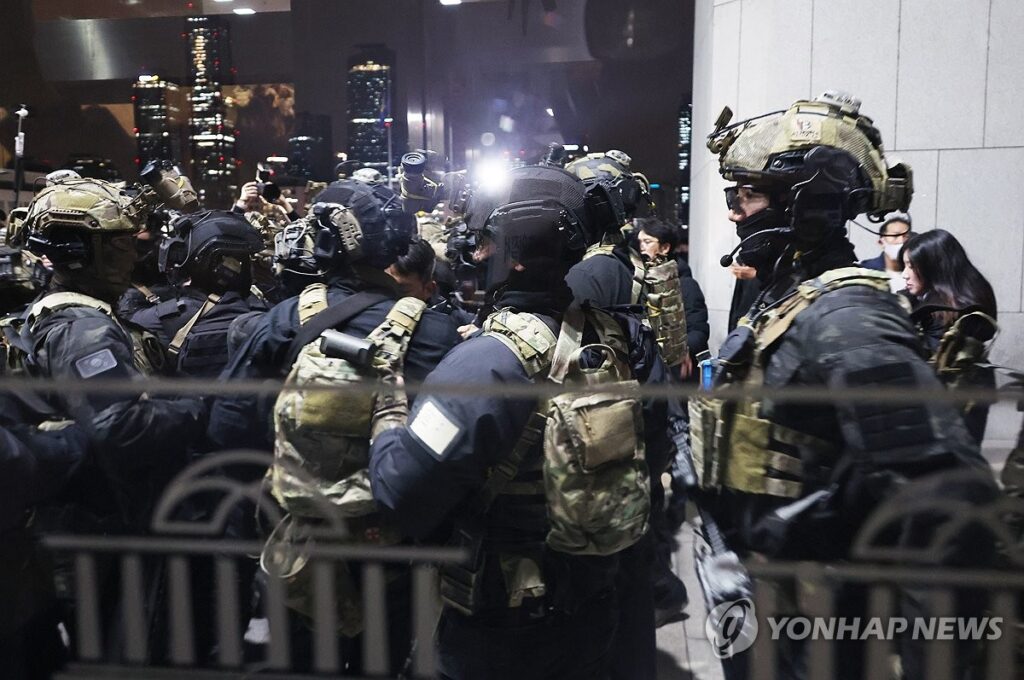
What is Martial Law?
Martial law is a temporary imposition of direct military control over civilian functions of government, usually in response to a crisis such as war, rebellion, natural disaster, or widespread civil unrest. It typically involves the suspension of ordinary law and civil liberties, with military authorities taking over the administration of justice and public order.
Key Characteristics of Martial Law
- Military Authority Over Civilian Government:
- Civilian government institutions and law enforcement agencies are either replaced or subordinated to military command.
- Military officers may assume roles normally held by civilian officials, including law enforcement and judicial functions.
- Suspension of Civil Liberties:
- Rights such as freedom of speech, freedom of assembly, and protection from unlawful searches and seizures may be curtailed or suspended.
- Curfews, restrictions on movement, and censorship of media are common.
- Legal Framework:
- Martial law often suspends the normal judicial process, replacing it with military tribunals or courts-martial.
- The constitution or ordinary laws may be temporarily overridden or suspended.
- Purpose:
- To restore and maintain order during emergencies when civilian authorities are unable to do so.
- To protect national security and public safety.
When is Martial Law Declared?
Martial law is usually declared under extreme circumstances such as:
- Armed rebellion or insurrection.
- Invasion or war.
- Severe civil unrest or riots.
- Natural disasters causing breakdown of civil order.
- Situations where civilian government is incapacitated or unable to maintain law and order.
Effects on Society
- Military Control: Military personnel enforce laws, conduct arrests, and maintain public order.
- Restriction of Rights: Citizens may face curfews, travel restrictions, and limitations on communication.
- Judicial Changes: Civilian courts may be closed or replaced by military tribunals.
- Potential for Abuse: Because of the concentration of power, martial law can lead to human rights abuses if unchecked.
Examples of Martial Law
- The Philippines under Ferdinand Marcos (1972-1981).
- The United States during the Civil War in certain regions.
- Various countries during times of war or political upheaval.
Summary Table
| Aspect | Description |
| Definition | Military control over civilian government and law. |
| Purpose | Restore order during emergencies. |
| Civil Liberties | Often suspended or restricted. |
| Legal System | Military tribunals replace civilian courts. |
| Duration | Temporary, until crisis is resolved. |
| Common Triggers | War, rebellion, natural disaster, civil unrest. |
Jandy