
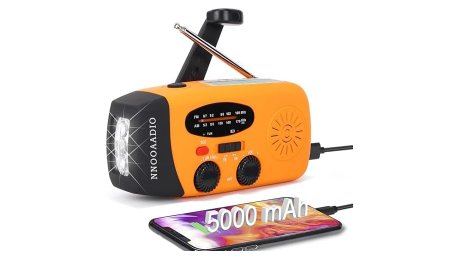
Off-Grid Communication: Methods, Devices, and Practical Tips
When living off-grid or preparing for emergencies where traditional communication networks may be unavailable, having reliable off-grid communication methods is essential. Here’s a detailed overview of the best options for staying connected without relying on conventional infrastructure:
- Common Off-Grid Communication Methods
- Ham Radio (Amateur Radio):
A popular and versatile option for long-distance communication. Ham radios can operate on various frequencies and modes, allowing communication across towns, states, or even internationally. Requires a license and some technical knowledge. - CB Radio (Citizens Band Radio):
Useful for short to medium-range communication (up to about 20 miles). CB radios are easy to use and do not require a license, making them popular for group coordination in local areas. - Satellite Phones:
Provide global communication by connecting directly to satellites. Modern satellite phones are more compact and reliable than older models. They work almost anywhere but require a subscription and can be costly. - GPS Messengers and Satellite Messengers:
Devices like Garmin inReach or SPOT allow you to send text messages, GPS coordinates, and emergency SOS signals via satellite. They are lightweight and ideal for outdoor adventurers. - Walkie-Talkies (Two-Way Radios):
Best for very short-range communication (a few miles). Useful for coordinating within a small group or property. - Mesh Network Devices:
These create a decentralized communication network by connecting multiple devices directly to each other without cell towers or internet. Useful for local communication in a group.
- Key Considerations for Off-Grid Communication
- Range:
Choose a device based on the distance you need to communicate. - Power Source:
Battery life and options for recharging (solar, hand crank, etc.) are critical for off-grid use. - Ease of Use:
Some devices require licenses or technical skills (e.g., ham radios), while others are plug-and-play. - Cost:
Satellite phones and subscription services can be expensive, while radios are generally more affordable. - Emergency Features:
Devices with SOS or emergency alert functions add safety.
- Summary Table of Off-Grid Communication Devices
| Device Type | Range | Power Source | Licensing Required | Best Use Case |
| Ham Radio | Local to Global | Battery, solar, AC | Yes | Long-distance, emergency comms |
| CB Radio | Up to 20 miles | Battery, vehicle power | No | Local group coordination |
| Satellite Phone | Global | Battery | No | Anywhere, reliable communication |
| GPS/Satellite Messenger | Global | Battery | No | Location tracking, SOS alerts |
| Walkie-Talkies | Up to a few miles | Battery | No | Short-range, group coordination |
| Mesh Network Devices | Local | Battery | No | Decentralized local communication |
- Practical Tips
- Always carry spare batteries or portable solar chargers.
- Practice using your communication devices before an emergency.
- Register and learn to operate ham radios if you choose that option.
- Consider combining multiple communication methods for redundancy.
- Keep devices protected from weather and physical damage.
Jandy