
Where Should You Bug Out To?
Good question — choosing where to bug out to is one of the most important decisions in any evacuation plan. The right destination depends on the type of emergency, your location, resources, and how you’ll travel (on foot, by car, etc.). Below is a practical framework and checklist to help you pick and prepare suitable bug-out destinations.
- Use a tiered destination strategy
- Primary (nearby, <1 hour): a trusted neighbor, family/friend, workplace rally point, or community shelter. Use this for fast, short-notice evacuations.
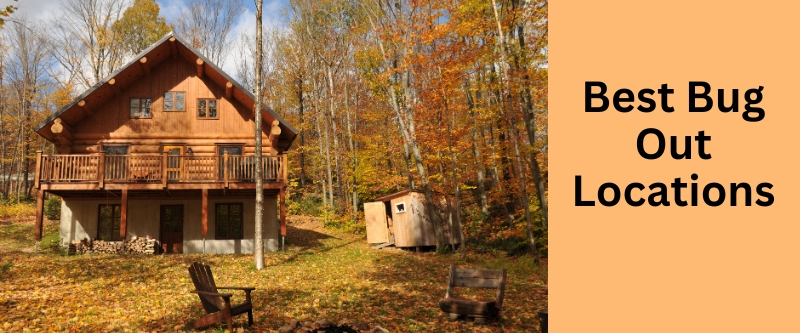
- Secondary (drivable, 1–6 hours): a prearranged bug-out location (BOL) — friend or family outside the hazard zone, rented/owned cabin, or safe rural property. Good for multi-day stays.
- Long-term (remote, >6 hours): your long-term retreat or a planned relocation site to sustain longer-term displacement.
- Key criteria to evaluate any candidate site
- Safety from the threat: outside floodplains for floods, upwind and uphill from chemical/radiological release, away from wildfire fuels and steep slopes, not directly in projected storm surge zones.
- Access and routes: reachable by at least two different routes; check for chokepoints and bridges that could be closed.
- Resources: fresh water source, shelter options, room for supplies, firewood or fuel availability, food sources if prolonged.
- Legal/ownership: permission to use the site (private property vs public) and realistic occupancy limits.
- Concealment and defensibility: privacy, low visibility from roads, and manageable security if needed.
- Medical and special needs: proximity to medications, medical facilities (if necessary), accessibility for those with mobility issues, pet accommodations.
- Communications: cell/GPS reception or pre-planned offline navigation; an agreed meeting time and contingency if separated.
- Resilience: solar or backup power options, redundancy of water and shelter, ability to disperse if the location becomes compromised.
- Practical rules of thumb
- Prefer places you’ve scouted in advance. Never rely on an unknown property you haven’t seen.
- Choose at least two destinations (close and farther) and rehearse getting to them.
- Keep a realistic travel-time target: plan to reach your primary destination within 1 hour; secondary within several hours depending on situation and fuel.
- Avoid large known gathering points as first-choice refugee spots in chaotic evacuations (they can become overcrowded).
- For urban evacuees, rural properties or small towns outside major highways tend to be safer than other cities.
- Threat-specific advice (brief)
- Flood/storm surge: go to high ground outside floodplains and away from river valleys.
- Wildfire: move away from heavy fuels and steep uphill slopes; open, low-fuel areas or bodies of water are safer.
- Chemical/airborne hazard: evacuate upwind and preferably uphill from the source; shelter indoors and seal as interim if immediate evacuation isn’t possible.
- Civil unrest: avoid main thoroughfares, large gatherings, and choke points; use less-conspicuous routes and prearranged safe houses.
- Long-term infrastructure collapse: rural, self-sufficient locations with water and arable land are preferable.
- Supplies and preparations tied to destination
- Stage caches or duplicate key items at your secondary/long-term BOL (spare clothes, sleeping gear, tools, fuel, basic food).
- Record GPS coordinates and hard-copy maps; give contacts the coordinates.
- Fuel and vehicle maintenance plan; know if you can reach the site with the vehicle you have.
- Have a communication and rendezvous plan for family members (time, place, fallback location).
- Quick decision checklist to use when deciding in real time
- What is the immediate threat and direction? (fire, flood, chemical, riot)
- Can I reach my primary destination within 1 hour? If not, fallback to secondary.
- Are roads/bridges on the route likely compromised? Use alternative route.
- Do I have the supplies and fuel to get there? If not, move to nearest safe zone and reassess.
- Did I inform my emergency contact and confirm rendezvous plan?
Next steps I can help with
- Create a personalized bug-out destination plan for your location (I’ll need where you live, how you travel, pets/special needs).
- Build a route map and prioritized packing checklist for primary and secondary destinations.
- Draft a family communication and rendezvous sheet you can print and keep in your BOB.
Which environment are you in (urban, suburban, rural, coastal, mountainous), and do you already have a primary or secondary bug-out location?
Jandy