
Stay Informed: Detailed Tips for Emergency Awareness
1. Sign Up for Alerts
- Local Government Alerts: Many cities, counties, and states offer free emergency alert systems that send notifications via text, email, or phone calls. These alerts provide timely information about natural disasters, public safety threats, road closures, and evacuation orders.
- Emergency Services Apps: Download official apps from agencies such as FEMA (Federal Emergency Management Agency), the Red Cross, or your local emergency management office. These apps often provide real-time updates, preparedness tips, and emergency checklists.
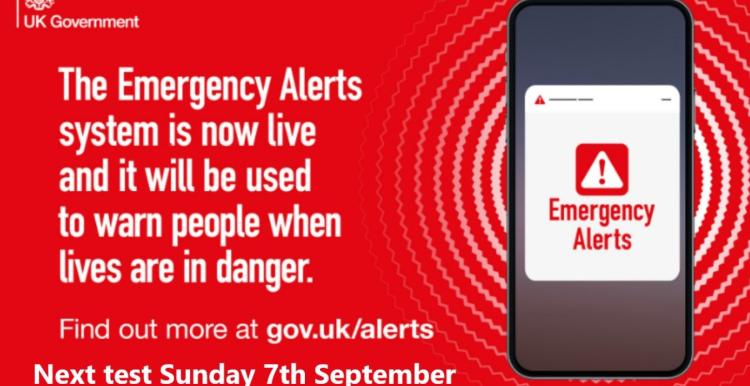
- Wireless Emergency Alerts (WEA): These are government-issued alerts sent directly to your mobile phone without the need to sign up. They include severe weather warnings, AMBER alerts, and other critical information.
- Social Media: Follow trusted local emergency management agencies, weather services, and government officials on platforms like Twitter and Facebook for fast updates and community information.
2. Know Your Area’s Risks
- Research Regional Hazards: Different areas face different risks. For example, coastal regions may be prone to hurricanes and flooding, while inland areas might face tornadoes, wildfires, or earthquakes.
- Use Online Tools: Websites like FEMA’s National Risk Index or local government hazard maps can help you understand the likelihood and potential impact of various disasters in your area.
- Community Resources: Attend local town hall meetings or community preparedness workshops to learn about specific risks and resources available in your neighborhood.
- Understand Seasonal Risks: Some emergencies are seasonal, such as wildfire season in summer or flu season in winter. Being aware of these patterns helps you prepare accordingly.
3. Monitor Weather
- Weather Apps and Websites: Use reliable sources such as the National Weather Service (NWS), Weather.com, or local meteorological services to get accurate forecasts and warnings.
- Set Up Weather Alerts: Many weather apps allow you to set custom alerts for severe weather conditions like thunderstorms, tornado watches/warnings, flash floods, or extreme temperatures.
- NOAA Weather Radio: Consider having a NOAA Weather Radio at home, which broadcasts continuous weather information and emergency alerts directly from the National Weather Service.
- Stay Updated During Emergencies: During active emergency situations, keep monitoring weather updates frequently to stay informed about changing conditions and official instructions.
By actively staying informed through these channels, you can receive timely warnings and accurate information, enabling you to take appropriate actions to protect yourself and your family during emergencies.
Jandy