
Emergency Preparedness Caches: Best Practices, Essential Items, and Storage Tips
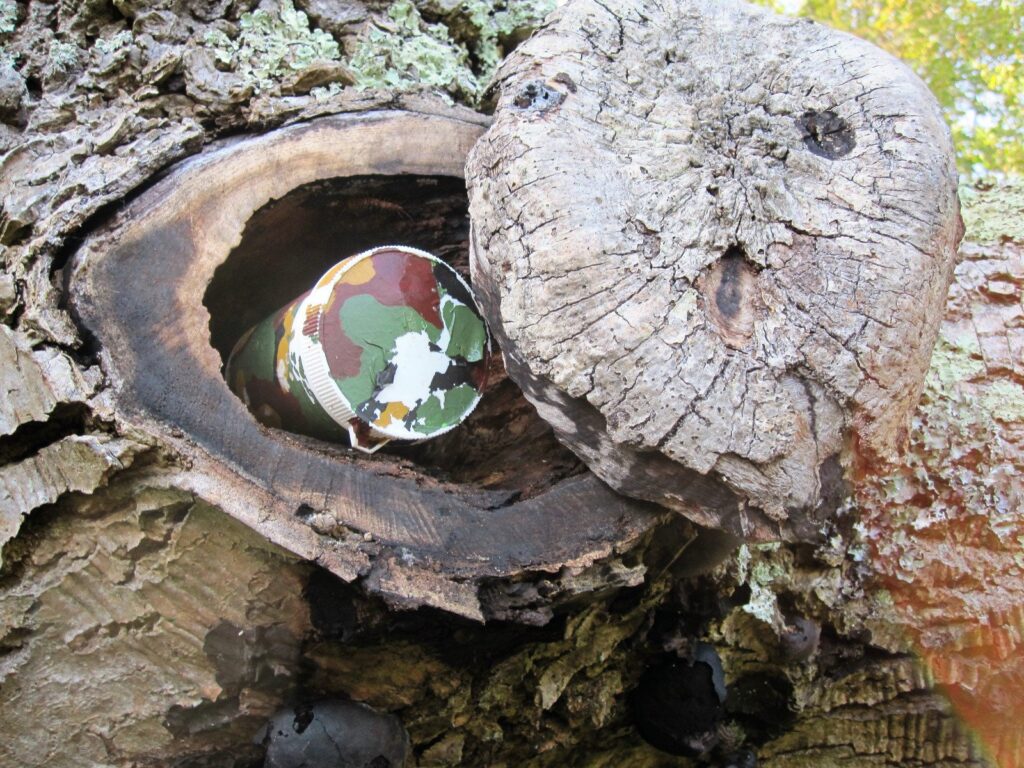
An emergency preparedness cache is a hidden or stored collection of supplies designed to support survival during disasters or emergencies when access to regular resources is limited. Properly planned caches can provide critical support for days or weeks.
- Purpose of Emergency Preparedness Caches
- Provide quick access to essential supplies during evacuation or shelter-in-place scenarios.
- Serve as backup resources if primary supplies are lost or inaccessible.
- Support multiple people for extended periods depending on cache size.
2. Best Practices for Creating Emergency Caches
- Location:
Choose secure, discreet, and easily accessible locations. Consider multiple caches in different places (home, vehicle, workplace, or remote locations). - Water Storage:
Store at least one gallon of water per person per day for a minimum of three days. Include water purification tablets or filters. - Food Supplies:
Non-perishable, high-calorie, and easy-to-prepare foods such as canned goods, energy bars, dried fruits, nuts, and freeze-dried meals. - Medical Supplies:
First aid kits, personal medications, hygiene items, masks, and sanitation supplies. - Tools and Equipment:
Multi-tools, flashlights with extra batteries, fire starters, duct tape, emergency blankets, and communication devices. - Documentation:
Copies of important documents (IDs, insurance, medical records) in waterproof containers. - Rotation and Maintenance:
Regularly check expiration dates and replace items as needed to keep the cache ready.
3. Essential Items to Include in a Cache
| Category | Items to Include | Notes |
| Water | Bottled water, purification tablets, filters | Minimum 3-day supply per person |
| Food | Canned goods, energy bars, freeze-dried meals | No refrigeration needed |
| Medical | First aid kit, personal meds, masks, sanitizer | Include allergy meds if needed |
| Shelter & Warmth | Emergency blankets, tarps, ponchos | Lightweight and compact |
| Tools & Equipment | Multi-tool, flashlight, batteries, fire starters | Durable and reliable |
| Hygiene | Soap, wipes, feminine products, toothbrush | Biodegradable preferred |
| Communication | Whistle, battery-powered radio, extra phone charger | For alerts and contact |
| Documentation | IDs, insurance, emergency contacts (waterproof) | Critical for identification |
| Cash | Small bills and coins | Useful if electronic payments fail |
4. Storage Tips
- Use waterproof, airtight containers or heavy-duty plastic bins.
- Label containers clearly but discreetly.
- Store in cool, dry places away from direct sunlight.
- Consider camouflaging or securing caches to prevent theft or discovery.
- Keep a list of cache contents and locations in a secure place.
Summary
Emergency preparedness caches are a vital part of disaster readiness, providing essential supplies when normal resources are unavailable. Proper planning, selection of durable and useful items, and secure storage ensure your cache will be effective when needed.